Crypto Trading Simulator Position Risk Planner
Convert a stop distance into a position size that cannot eat your bill floor.
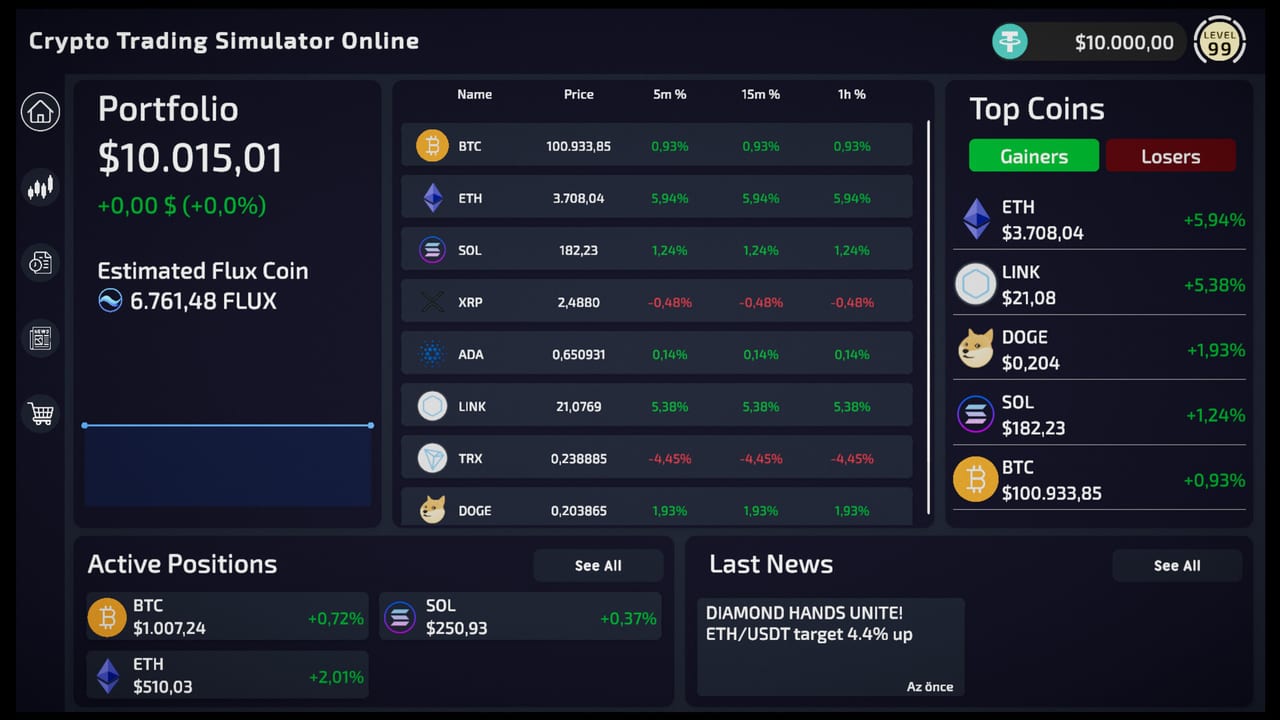
Why this planner exists
Crypto Trading Simulator punishes vague sizing. This page walks through the math, then embeds an interactive calculator you can reuse every session. Pair results with How to Trade and never risk cash reserved in the Bill Budget Planner.
Position risk planner
- Suggested position size
- —
- Max loss if stopped
- —
The formula
- Choose tradable capital (total cash minus bill floor).
- Choose risk percent (example: 1%).
- Risk budget = tradable capital × risk percent.
- Per-unit risk = absolute difference between entry and stop.
- Position size = risk budget ÷ per-unit risk.
If per-unit risk is zero or nonsense, the trade plan is incomplete—fix invalidation using How to Read Charts.
Worked example
- Tradable capital: 10,000
- Risk percent: 1% → budget 100
- Entry 50, stop 48 → per-unit risk 2
- Size ≈ 50 units
- Max loss if stopped ≈ 100 (before fees)
Add fees mentally and shrink size if round-trips are costly.
When to lower risk percent
- After a revenge urge
- During major social-feed events (Social Feed and Events)
- When life meters are stressed
- On day one of any new leverage tool from the roadmap
Common misuse
- Using total cash including rent money as “capital”
- Setting a stop you will not honor
- Increasing size because an upgrade looked expensive (Upgrade Priority)
- Treating the calculator as permission to ignore Risk and Security
Session workflow
- Update bill floor.
- Run this planner.
- Execute only A-setups from Trading Strategies.
- Journal whether you obeyed the number.
Sibling tool
Switch to the Bill Budget Planner whenever lifestyle costs change. Both tools together define how aggressive your empire-building week can be.
Advanced sizing notes
- If entry and stop are too tight versus fees, skip the trade—even if the story is beautiful.
- If the calculator output feels thrilling, cut size in half and reassess ego.
- During event windows, pretreat risk percent as half of normal before you even type numbers.
Example table
| Capital | Risk % | Entry | Stop | Approx size |
|---|---|---|---|---|
| 5,000 | 1% | 20 | 19 | 50 |
| 8,000 | 0.5% | 100 | 96 | 10 |
| 12,000 | 1% | 0.50 | 0.47 | 4,000 |
After you calculate
Write the size on paper or in a note, then place the order without renegotiating mid-click. If the feed screams while you are filling, abort and reread Social Feed and Events. Tools exist to slow you down—let them. For lifestyle numbers that define capital, return to the Bill Budget Planner.
Correlating size with events
Before major feed shocks, recompute size with half risk percent even if your setup looks perfect. The calculator cannot see headlines; you must feed it conservative inputs. After the event resolves, restore normal risk only if structure is clean and bills remain covered.
Teaching the planner to others
When helping a friend, do not start with indicators. Start by asking for their bill floor, then run this planner aloud. Most “I need better strategies” messages are actually “I never sized risk.” Send them here, then to Trading Strategies.
Final discipline line
If you change the stop after seeing the size output so the trade “fits,” you cheated. Change the trade idea instead. Invalidation is sacred; size is derived.
Extended invalidation ethics
Your stop is a contract with future-you. Future-you is tired, hungry, and reading the social feed. Do not write contracts that tired-you will refuse to honor. If you cannot honor a tight stop, choose a wider stop with smaller size—or pass. Ethics beat cleverness when bills are watching.
Print or note the size before opening the ticket. If the ticket tempts a different size, close the ticket. The planner already answered; negotiation mid-click is how discipline dies.
Frequently Asked Questions
Quick answers to the most common questions.
Does this place trades in-game?
No. It only helps you size risk before you use the in-game ticket.
Should risk percent rise after wins?
Not automatically. Raise only when process grades stay high and bills are comfortable.
What if margin becomes available?
Halve risk percent at first and re-read [Risk and Security](/guides/risk-and-security/).